
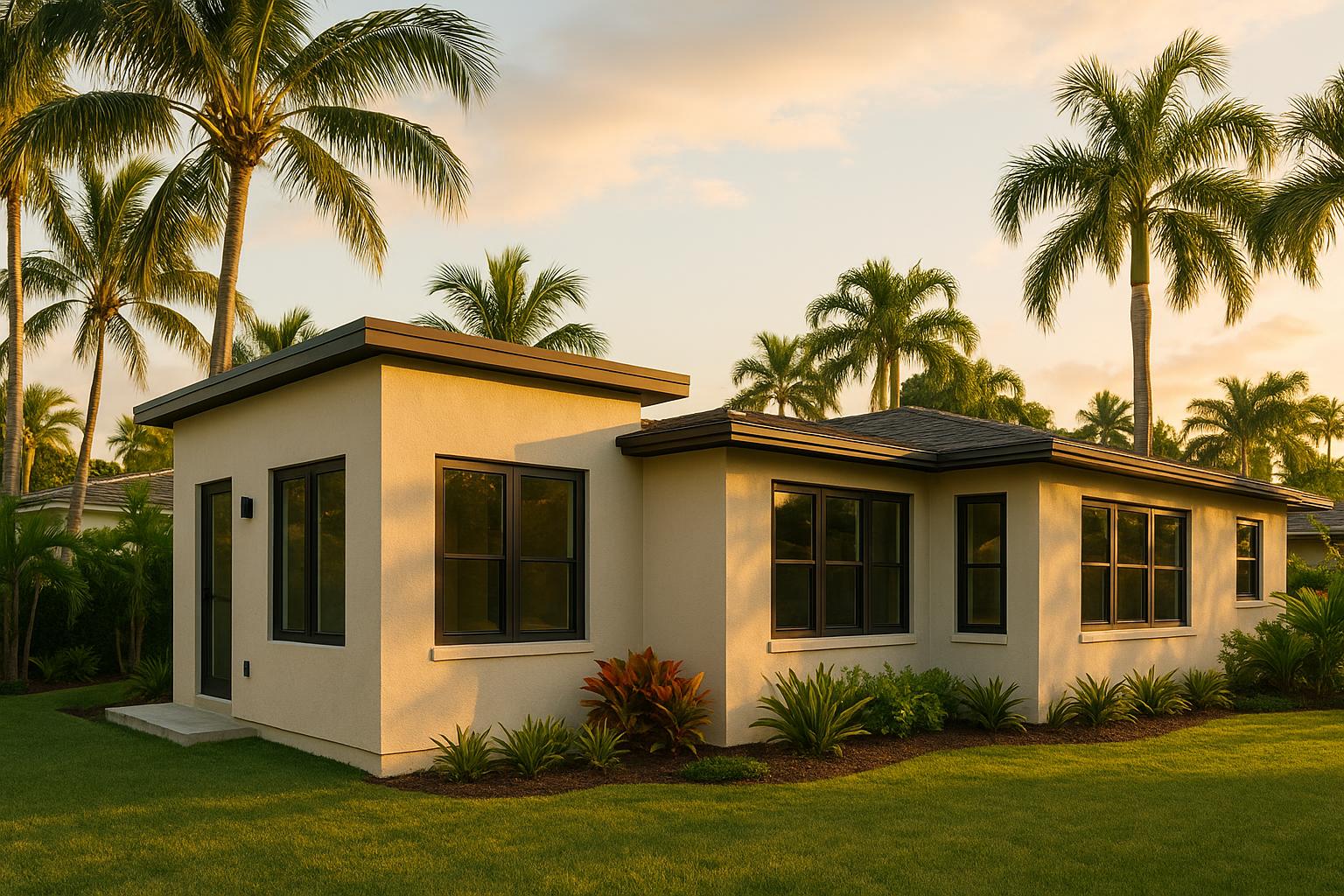
Why Miami Homeowners Are Adding Rooms Instead of Moving
Miami's real estate market has been fiercely competitive for years. Between rising home prices and the emotional attachment many families have to their neighborhoods, more homeowners are choosing to expand their current homes rather than start the exhausting process of house hunting. A well-planned room addition can give you the space you need — whether it's a new bedroom for a growing family, a home office, or an in-law suite — while increasing your property value at the same time.
But room additions are among the most complex remodeling projects a homeowner can take on. They involve structural engineering, permitting, utility connections, and careful design work. Without a clear plan, costs can spiral and timelines can stretch far beyond what you expected.
At Noble General Contractors, we've helped homeowners across Miami, Coral Gables, Kendall, and surrounding areas navigate room additions from the first sketch to the final coat of paint. Here's what you need to know before you break ground.
Step 1: Define Your Goals Before You Call a Contractor
Before reaching out to any contractor, spend some time thinking about exactly what you need. Ask yourself these questions:
- What is the primary purpose of the new room? A guest bedroom has very different requirements than a home gym or a sunroom.
- How many square feet do you realistically need? Bigger isn't always better — especially when you factor in cost per square foot.
- Does the addition need a bathroom? Adding plumbing significantly increases both cost and complexity.
- Do you want the addition to match the existing architecture? A seamless look typically costs more but adds far greater resale value.
Having clear answers to these questions will make every conversation with your contractor more productive and help you avoid costly mid-project changes.
Step 2: Understand Miami's Permitting and Zoning Requirements
This is where many homeowners get tripped up. Miami-Dade County has specific building codes, zoning regulations, and permitting requirements that directly affect what you can build, where you can build it, and how long the approval process takes.
Key Considerations
- Setback requirements: Your addition must maintain a minimum distance from property lines. These distances vary depending on your zoning classification.
- Lot coverage limits: There's a maximum percentage of your lot that can be covered by structures. If your home already takes up most of that allowance, your options may be limited.
- Hurricane building codes: Living in South Florida means your addition must meet strict wind resistance standards. This includes impact-rated windows, reinforced roofing, and engineered connections between the new structure and the existing home.
- HOA restrictions: If you live in a community with a homeowners association, you may face additional design and approval requirements beyond what the county mandates.
A licensed general contractor familiar with Miami-Dade permitting can handle the paperwork and inspections on your behalf, saving you weeks of back-and-forth with the building department.
Step 3: Set a Realistic Budget
Room additions in Miami typically range from $150 to $350 per square foot, depending on the scope, finishes, and whether plumbing or electrical work is involved. A basic 200-square-foot bedroom addition might start around $30,000, while a fully finished in-law suite with a kitchenette and bathroom could exceed $80,000 or more.
Budget Tips That Actually Help
- Get at least three detailed estimates. Compare not just total prices but what's included — some contractors exclude permits, engineering, or finish work from their quotes.
- Set aside 10-15% for contingencies. Unexpected issues like outdated wiring or foundation complications are common in older Miami homes.
- Prioritize structural quality over cosmetic upgrades. You can always upgrade finishes later, but cutting corners on the foundation, framing, or roofing will cost you far more down the road.
Step 4: Choose the Right Contractor
Your contractor will be your most important partner throughout this process. Here's what to look for:
- Active Florida state license and insurance. Verify this through the Florida Department of Business and Professional Regulation.
- Experience with room additions specifically. Remodeling a kitchen and building a room addition require very different skill sets.
- Clear communication style. You'll be working together for weeks or months. If a contractor is hard to reach during the estimate phase, it won't get better once the project starts.
- Transparent contracts. Your agreement should spell out the scope of work, payment schedule, timeline, and how change orders are handled.
At Noble General Contractors, we walk every client through a detailed proposal before any work begins. We believe you deserve to know exactly what you're paying for and when each phase of the project will be completed.
Step 5: Plan for Life During Construction
A room addition means construction crews, noise, dust, and temporary disruptions to your daily routine. Here are some practical ways to minimize the inconvenience:
- Establish a clear work schedule with your contractor. Know which days crews will be on-site and what hours they'll be working.
- Seal off the construction zone. Plastic sheeting and temporary barriers can keep dust from spreading through the rest of your home.
- Communicate with your neighbors. A quick heads-up about upcoming construction goes a long way toward maintaining good relationships, especially in Miami's close-knit neighborhoods like Coral Gables and Doral.
- Prepare for temporary utility interruptions. Tying new electrical, plumbing, or HVAC lines into your existing systems may require brief shutoffs.
Step 6: Think Long-Term About Resale Value
Not all room additions deliver the same return on investment. Additions that tend to perform best at resale include:
- Primary bedroom suites — especially in older Miami homes where the master bedroom may feel undersized by today's standards.
- In-law suites or accessory dwelling units — increasingly popular in Hialeah, Kendall, and other family-oriented communities.
- Home offices with dedicated entrances — remote work isn't going away, and buyers notice dedicated workspaces.
Additions that don't match the style of the existing home or that push the property's value well above comparable homes in the neighborhood may not recoup their full cost. A good contractor will be honest with you about what makes sense for your specific property.
Ready to Expand Your Miami Home?
A room addition is a significant investment, but with the right planning and the right team, it can transform the way you live without the upheaval of moving. Whether you're in Miami Beach, Doral, or anywhere in the greater Miami area, Noble General Contractors is here to help you plan, permit, and build an addition that fits your life and your budget.
Contact us today to schedule a free consultation. We'll visit your property, discuss your goals, and give you a clear, honest estimate — no surprises, no pressure.